
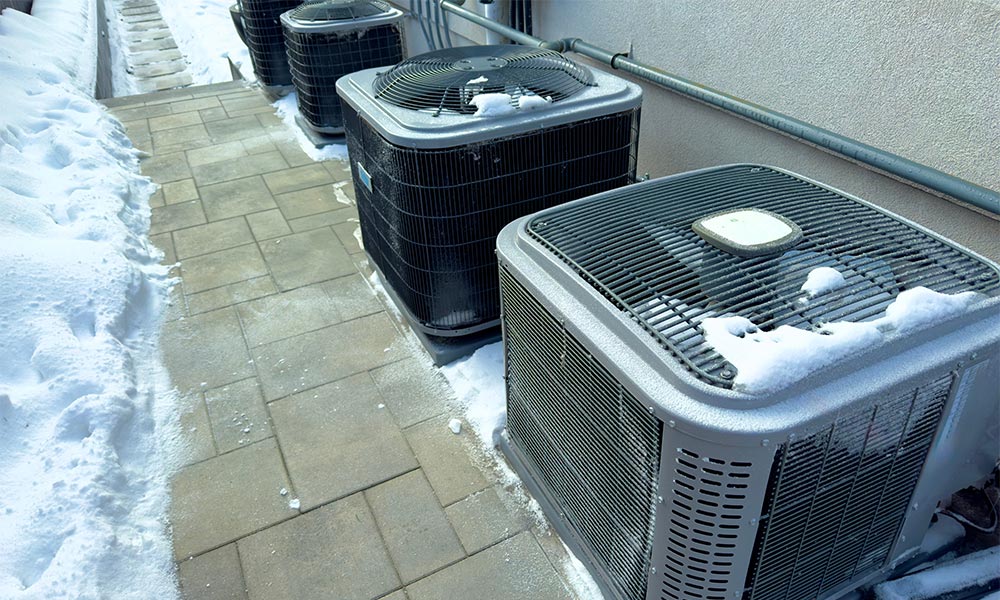
When temperatures in Bend drop below 30°F—which happens regularly from December through February—many homeowners notice heat pump issues, such as their heat pumps working overtime yet failing to maintain comfortable temperatures. If your heat pump seems to be struggling during Central Oregon’s coldest days, you’re not alone. Understanding why this happens and knowing your options can save you from expensive emergency calls and uncomfortable nights.
The Science Behind Cold Weather Heat Pump Performance
Heat pumps work by extracting heat from outdoor air and transferring it inside. Even in cold weather, there’s still heat energy available outside—but as temperatures drop, that heat becomes harder to extract. At 47°F, a heat pump operates at nearly 100% capacity. By 32°F, efficiency drops to about 80%. Below 20°F, many standard heat pumps operate at just 60% capacity or less.
In Bend’s 3,600-foot elevation, this challenge intensifies. The thinner air at altitude contains less heat energy to extract, and our dramatic day-to-night temperature swings—often 30-40 degrees—put additional stress on heat pump systems. When overnight lows hit single digits while daytime highs reach the 40s, your heat pump cycles through extreme operating conditions repeatedly.
5 Signs Your Heat Pump Is Struggling
- Constant Running Without Reaching Set Temperature
If your heat pump runs continuously but your home stays 3-5 degrees below the thermostat setting, it’s reached its heating capacity limit. This is especially common when outdoor temperatures drop below 25°F.
- Ice Buildup on the Outdoor Unit
While light frost is normal, thick ice accumulation indicates a problem. Heat pumps have defrost cycles, but extreme cold can overwhelm this function, leading to reduced efficiency and potential compressor damage.
- Cold Air From Vents
Heat pump air typically feels cooler than furnace heat (usually 85-95°F versus 120°F from a furnace). However, if air feels cold rather than just cool, your system may have switched to emergency heat mode or be struggling to produce adequate heat.
- Unusual Noises During Operation
Grinding, scraping, or loud humming sounds often indicate ice buildup on fan blades or strain on the compressor. These sounds typically worsen as temperatures drop.
- Dramatically Higher Electric Bills
When heat pumps can’t maintain efficiency, they rely heavily on backup electric resistance heat strips, which use 3-4 times more electricity than normal heat pump operation. A sudden spike in your January or February electric bill often signals this issue.
Proven Solutions for Cold Weather Performance
Install a Dual-Fuel System
The most effective solution for Bend’s climate is pairing your heat pump with a gas furnace backup. The heat pump handles mild weather efficiently (above 35°F), while the furnace takes over during extreme cold. This hybrid approach can reduce heating costs by 30-40% compared to electric resistance backup heat. Bend Heating & Sheet Metal specializes in dual-fuel installations, with most systems operational within 1-2 days.
Upgrade to a Cold-Climate Heat Pump
Modern cold-climate heat pumps using inverter technology maintain up to 75% capacity at 5°F—a significant improvement over standard models. Brands like Mitsubishi and Daikin offer hyper-heat models specifically designed for climates like Central Oregon’s. While the initial investment ranges from $6,000-$12,000, Energy Trust of Oregon rebates of $1,000-$1,500 can offset costs.
Optimize Your Current System
Before replacing equipment, try these improvements:
- Ensure proper refrigerant levels (low refrigerant dramatically reduces cold weather performance)
- Clean or replace filters monthly during heating season
- Clear snow and ice from around the outdoor unit, maintaining 2 feet of clearance
- Install a wind barrier on the prevailing wind side, but maintain adequate airflow
- Seal air leaks and add insulation to reduce heating load
Adjust Operating Expectations
Set realistic temperature expectations during extreme cold. Lowering your thermostat 2-3 degrees during cold snaps reduces strain on the system. Use supplemental heating in problem areas rather than overworking your heat pump. Program setbacks carefully—dramatic temperature changes force the system into inefficient emergency heat mode.
Schedule Professional Maintenance
Annual maintenance becomes even more critical for heat pumps facing extreme temperatures. Professional service includes refrigerant level checks, defrost cycle calibration, electrical connection testing, and coil cleaning—all essential for cold weather performance.
When to Call for Professional Help
Contact Bend Heating immediately if you notice:
- No heat production despite constant operation
- Excessive ice that doesn’t clear during defrost cycles
- Electrical burning smells or repeated circuit breaker trips
- Compressor failure to start in cold weather
Our NATE-certified technicians respond within 2 hours during business hours for emergency calls. We stock cold-weather components for all major heat pump brands and can often restore heating in a single visit.
The Bottom Line on Heat Pump Issues
Heat pumps can effectively heat Bend homes even in winter, but they need proper sizing, installation, and sometimes supplemental heating for extreme cold. Whether you need emergency heat pump repair, system optimization, or upgrade consultation, Bend Heating & Sheet Metal has served Central Oregon for over 70 years with solutions that work in our unique climate.
Don’t wait for the next cold snap to address heat pump issues. Call (541) 382-1231 for a free consultation, or schedule service online at bendheating.com. We’ll ensure your system is ready for whatever winter brings.