
It’s 2 AM on a frigid Bend night, temperatures hovering near zero, and your furnace won’t start. Before panic sets in—and before paying emergency service rates—try these five troubleshooting steps that resolve over 50% of “no heat” calls we receive at Bend Heating. These simple checks could save you money in emergency fees and restore heat within minutes.
Fix #1: Check Your Thermostat Settings and Power
This might seem obvious, but thermostat issues cause 30% of our emergency calls. In the stress of losing heat, homeowners often overlook simple thermostat problems.
Step-by-Step Thermostat Check:
First, ensure your thermostat is set to “Heat” mode, not “Cool” or “Off.” Check that the temperature setting is at least 3 degrees above current room temperature. Verify the fan setting is on “Auto” not “On”—continuous fan without heat makes your home feel colder.
For programmable thermostats, override the schedule by pressing “Hold” or “Override” to ensure programming isn’t the issue. If your display is blank, replace batteries immediately—most thermostats require fresh batteries every 6-12 months. Even hardwired thermostats often have battery backups.
Quick Test: Set your thermostat 5 degrees above room temperature. You should hear a click within 30 seconds, followed by the furnace starting again within 1-2 minutes. No click? The issue is likely thermostat-related.
Common Bend-Specific Issue: Our dramatic temperature swings can cause older mercury thermostats to lose calibration. If your thermostat is over 10 years old, upgrading to a digital model often solves intermittent heating problems.
Fix #2: Reset Circuit Breakers and Check Power Switches
If your furnace won’t start, know that it needs electricity to operate—even gas furnaces require power for ignition, controls, and blower motors. Power issues account for 20% of emergency calls.
Complete Power Check Process:
Locate your electrical panel and find the furnace breaker (usually labeled “Furnace” or “FAU”). If the breaker is tripped (middle position), switch it fully OFF, wait 30 seconds, then firmly switch to ON. A breaker that immediately trips again indicates a serious electrical issue—stop and call for professional help.
Next, check the furnace power switch, typically located on or near the furnace, looking like a regular light switch. Ensure it’s in the ON position—these get accidentally switched off during filter changes or storage access. Also verify the outlet your furnace plugs into (if applicable) has power by testing with another device.
Important Safety Note: Some Bend homes have secondary switches at the top of basement stairs or near attic access. Check all switches before assuming power failure.
Fix #3: Replace or Clean Your Air Filter
A clogged filter is the single most common cause of furnace problems, responsible for 25% of winter breakdowns. Bend’s dusty environment and wildfire seasons make filter maintenance even more critical.
Filter Inspection and Replacement:
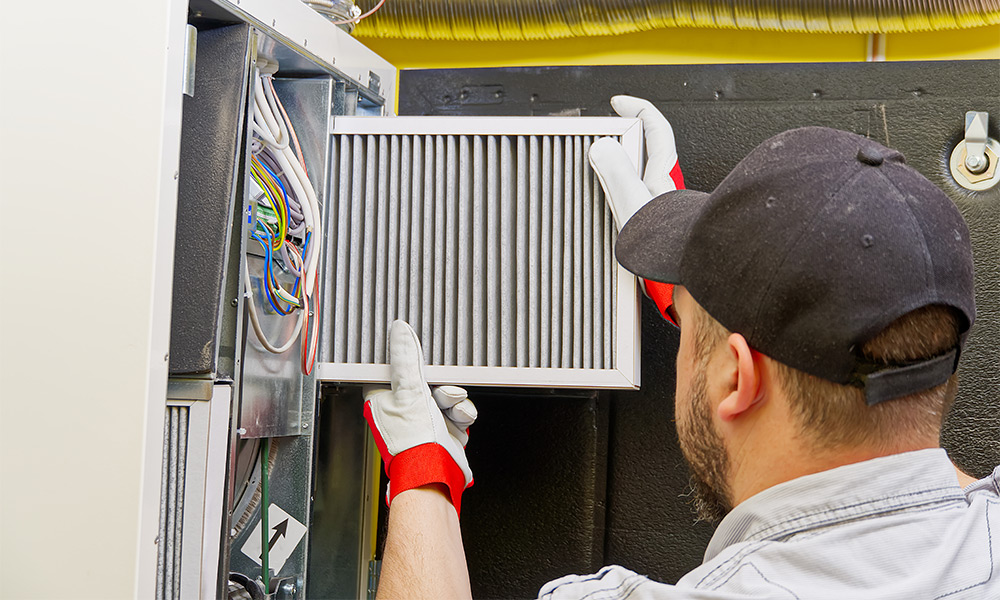
Turn off your furnace at the thermostat before checking the filter. Locate your filter—usually in the return air duct near the furnace, in a wall/ceiling return grille, or in the furnace cabinet itself. Remove and inspect the filter. If you can’t see light through it, or if it’s been over 30 days since replacement, install a new filter immediately.
Critical Detail: Install the filter with arrows pointing toward the furnace (direction of airflow). A backwards filter restricts airflow just as much as a dirty one.
After replacing the filter, wait 3-5 minutes before restarting—this allows the furnace’s safety switches to reset. If your furnace has been shutting down due to overheating from a dirty filter, it may take 30 minutes to cool enough to restart.
Bend Pro Tip: During winter, check filters every 2-3 weeks. Running your furnace more means faster filter clogging. Keep 3-4 filters on hand to avoid emergency store runs.
Fix #4: Check and Reset Your Furnace Safety Switches
Modern furnaces have multiple safety switches that prevent operation when problems are detected. Sometimes these need simple resetting.
Furnace Door Safety Switch:
Your furnace won’t operate with the access door removed or ajar. Ensure the lower and upper furnace doors are completely secure. Listen for a clicking sound as doors close—this is the safety switch engaging. Some doors require firm pressure to properly engage the switch.
Flame Rollout and Limit Switches:
Look for small red or yellow reset buttons on the furnace body, usually near the burner area. If you find popped-out buttons, press firmly to reset. These switches trip due to overheating or flame problems. If they trip again immediately, you have a serious issue requiring professional service.
Condensate Drain (High-Efficiency Furnaces Only):
90%+ efficiency furnaces produce water that must drain properly. Check the plastic drain line for clogs or kinks. Pour a cup of water into the drain pan—if it doesn’t drain, the safety float switch has activated. Clear the drain with wet/dry vacuum suction at the outside termination point.
Fix #5: Inspect Vents and Air Flow
Blocked vents cause furnace overheating and shutdown. This is especially common in Bend homes where furniture gets rearranged for winter or vents get closed in unused rooms.
Complete Airflow Check:
Walk through your entire home checking that supply vents (where heat comes out) are open and unobstructed—at least 10 vents should be fully open for proper operation. Ensure return air grilles aren’t blocked by furniture or drapes. Your furnace needs this air to function.
Go outside and check exhaust vents for ice, snow, or debris blockage. Bend’s freeze-thaw cycles can create ice dams on exhaust pipes. Clear any obstructions, but never use sharp tools that could damage pipes.
Check that indoor registers aren’t covered by rugs, furniture, or holiday decorations. Even partially blocked vents can trigger safety shutdowns.
When These Fixes Don’t Work
If you’ve tried all five fixes and still have no heat, you likely have issues requiring professional repair:
- Failed ignitor (most common major repair)
- Bad control board
- Faulty inducer motor
- Gas valve problems
- Cracked heat exchanger (safety hazard)
Warning Signs to Stop and Call Immediately
Never continue troubleshooting if you:
- Smell gas (leave immediately, call from outside)
- Hear loud banging or metallic scraping
- See sparks or electrical arcing
- Notice water pooling around the furnace
- Detect burning electrical smells
These indicate dangerous conditions requiring immediate professional attention.
Prevent Future Breakdowns
After resolving your immediate heating issue, prevent future emergencies:
Monthly During Winter: Change filters, test thermostat operation, listen for unusual noises, and check exhaust vents for obstruction.
Annually: Schedule professional maintenance each fall. Our tune-up includes comprehensive testing that catches 90% of problems before they cause breakdowns. We also offer maintenance plans with priority emergency service and repair discounts.
Emergency Service When You Need It
If these troubleshooting steps don’t restore heat, Bend Heating provides 24/7 emergency service with 2-hour response during business hours. Our trucks stock common repair parts for all major furnace brands, completing 85% of repairs in one visit.
Call (541) 382-1231 for immediate assistance. Our emergency technicians will walk you through additional troubleshooting over the phone and dispatch help if needed.
The Bottom Line
These five fixes—checking thermostat, power, filter, safety switches, and airflow—resolve the most common reasons a furnace won’t start, without requiring service calls. Taking 20 minutes to troubleshoot can save hundreds in emergency fees and restore heat quickly.
However, never compromise safety for savings. When in doubt, call Bend Heating. With 70+ years serving Central Oregon, we’ve seen all the reasons the furnace won’t start and know how to fix them quickly and affordably.
Stay warm, Bend! For non-emergency service or to schedule preventive maintenance, visit bendheating.com or call (541) 382-1231 during business hours.