
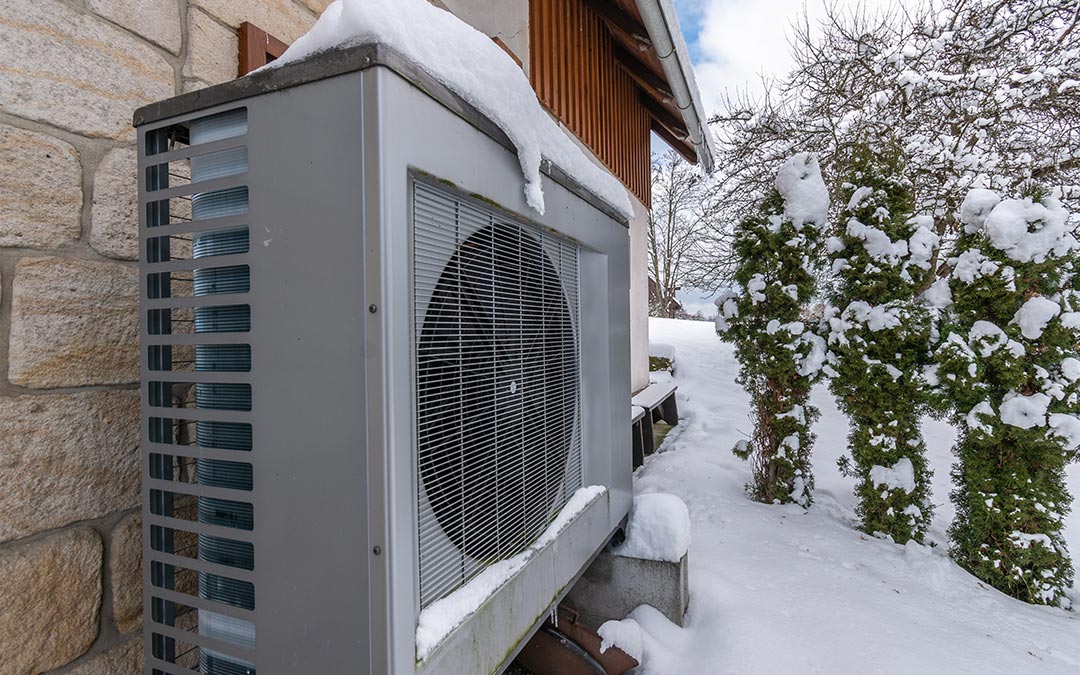
This winter, don’t be surprised if you glance outside and see your heat pump covered in frost, pausing operation, or releasing a cloud of steam. While it may look like something’s wrong, these signs are often completely normal. They’re part of your system’s built-in defrost cycle, a process that keeps your heat pump running efficiently even when temperatures dip below freezing. Understanding how heat pump defrost cycles work can help you tell the difference between normal operation and a potential problem.
What Is a Heat Pump Defrost Cycle?
When your heat pump is heating your home, it’s also extracting heat from the outdoor air. During that process, moisture in the air can condense and freeze on the outdoor coil, especially when temperatures hover near freezing. Over time, frost buildup makes it harder for the system to absorb heat, which reduces efficiency and can strain the unit.
To prevent that, heat pumps are designed to enter a defrost cycle automatically. The system temporarily reverses its operation, sending warm refrigerant through the outdoor coil to melt the ice. While this happens, you might notice the outdoor fan stops spinning and see a bit of steam as the frost melts away. The cycle usually lasts between 5 and 15 minutes, depending on the conditions and your system’s model.
Once the frost clears, the system switches back to heating mode and continues operating normally.
What’s Normal During Defrost
A few key signs let you know your heat pump is simply going through its normal cycle:
- Steam Rising from the Unit: That’s just moisture evaporating as the ice melts.
- Outdoor Fan Pausing: The fan stops to help the coil warm up faster.
- Temporary Pause in Heating: You may feel slightly cooler air from your vents for a few minutes, but your backup heat (if equipped) should maintain indoor comfort.
In short, occasional heat pump defrost cycles during cold Central Oregon weather are completely normal. It’s a sign your system is working as designed to protect itself from ice buildup.
When to Be Concerned
While some frost and steam are expected, certain warning signs can indicate an issue that needs professional attention:
- Thick Ice That Doesn’t Melt: If your unit stays encased in ice after the defrost cycle, airflow may be blocked, or the defrost function isn’t working properly.
- Frequent or Prolonged Defrosting: If your heat pump seems to switch into defrost mode too often or stays in it for more than 20 minutes, it could signal a problem with sensors, refrigerant levels, or controls.
- Loud or Unusual Noises: Clicking, grinding, or scraping sounds during the cycle may indicate a mechanical issue.
- Outdoor Fan Not Restarting: If the fan fails to come back on after defrosting, the unit may overheat or shut down entirely.
In Central Oregon’s icy conditions, these issues can worsen quickly if left unchecked, potentially leading to costly repairs or a full system failure.
How to Prevent Defrost Problems
Routine maintenance is the best way to keep your heat pump operating safely and efficiently all winter. Make sure to:
- Keep the Outdoor Unit Clear: Remove snow, ice, and debris around your system, especially after a big winter storm. This ensures proper airflow and helps the unit operate more efficiently.
- Change Filters Regularly: A clogged indoor filter can affect overall performance and airflow.
- Schedule Professional Tune-Ups: Seasonal inspections help technicians identify refrigerant, sensor, or defrost control issues before they cause major damage.
Trust the Local Experts
Understanding heat pump defrost cycles helps you know what’s normal and what’s not. But if you’re seeing thick ice buildup, hearing strange noises, or noticing your system can’t keep up with Central Oregon’s cold nights, it’s time to call in the experts. Bend Heating & Sheet Metal’s NATE-certified technicians can diagnose and resolve defrost issues before they lead to expensive repairs or uncomfortable nights.
Reach out today (541-382-1231) to schedule a service call or seasonal tune-up.