
Some AC problems are inconvenient. Others are emergencies that risk your health, your home, or your equipment. Here’s how to tell the difference—and what to check before you call for air conditioner repair.
Your air conditioner picks the worst moments to fail. It’s never a mild afternoon in May—it’s always the hottest day of July, right when you’re hosting family or trying to work from home. But not every AC problem qualifies as an emergency, and knowing the difference saves you money on service calls while ensuring you get help fast when you truly need it.
Emergency air conditioner repair addresses situations where waiting poses a genuine risk: to your health, to your home, or to the AC system itself. A warm house is uncomfortable, but certain symptoms indicate problems that can escalate rapidly if ignored.
Signs You Need Emergency Air Conditioner Repair
These situations warrant immediate attention—call for emergency air conditioner repair right away.
Burning Smell or Visible Smoke
If you smell something burning or see smoke coming from your AC unit, shut it off immediately at the thermostat and the circuit breaker. This indicates an electrical problem—overheating wires, a failing motor, or melted insulation—that poses a fire risk. Don’t restart the system until a professional inspects it.
Electrical Problems
If your AC repeatedly trips the circuit breaker, causes lights to flicker when it cycles, or shows other signs of electrical issues, stop using it. Electrical problems can cause equipment damage, fire hazards, or shock risks. These symptoms require emergency air conditioner repair from a qualified technician.
Refrigerant Leak Signs
A hissing or bubbling sound near refrigerant lines, ice forming on the coils or refrigerant lines, or a sudden and complete loss of cooling capacity may indicate a refrigerant leak. Modern refrigerants are generally safe in small amounts, but a significant leak reduces cooling dramatically and can damage the compressor if the system continues running. Ice on the coils is a telltale sign that the system is struggling to function properly.
Complete System Failure During Extreme Heat
When Central Oregon temperatures climb into the 90s or above, a non-functioning AC can become a health concern—especially for young children, elderly family members, or anyone with heat-sensitive medical conditions. If your system won’t turn on at all during a heat wave and you have vulnerable household members, treat it as an emergency.
Water Damage in Progress
A clogged condensate drain can cause water to back up and overflow from the air handler. If you notice water pooling around your indoor unit or water stains on ceilings or walls near HVAC equipment, you need immediate service to prevent structural damage and potential mold growth.
Air Conditioner Repair That Can Wait Until Business Hours
Not every AC problem requires an after-hours emergency call. These issues are frustrating but can typically wait for a regular appointment.
- Reduced cooling: The system runs but doesn’t cool as well as it should. This often indicates dirty coils, clogged filters, or other issues that won’t worsen overnight. You might be uncomfortable, but waiting for a regular appointment won’t cause additional damage.
- Unusual noises: Grinding, rattling, or squealing sounds that aren’t accompanied by burning smells or other warning signs usually indicate mechanical wear. These should be addressed soon, but waiting a day or two for service typically won’t turn a minor repair into a major one.
- Thermostat issues: The system doesn’t respond to settings or displays incorrectly. These are often simple fixes that don’t warrant emergency rates.
- Short cycling: Frequent on-off cycles waste energy and indicate a problem, but unless accompanied by other warning signs, it can wait for a scheduled repair.
What to Check Before Calling for Air Conditioner Repair
Before you pick up the phone, run through these quick checks. You might solve the problem yourself—or at least provide helpful information to the technician.
- Check the thermostat. Make sure it’s set to “cool” (not “heat” or “off”), the temperature setting is below the current room temperature, and the batteries aren’t dead if it’s a battery-powered model. This sounds basic, but thermostat issues account for a surprising number of service calls.
- Check the circuit breaker. Look for tripped breakers in your electrical panel. AC systems typically have two breakers—one for the air handler and one for the outdoor condenser. Reset any tripped breakers once. If they trip again immediately, stop and call for service.
- Check the air filter. A severely clogged filter restricts airflow enough to cause system problems. If the filter is visibly dirty, replace it and see if performance improves.
- Check the outdoor unit. Make sure the condenser isn’t buried in debris, covered by vegetation, or blocked by anything that restricts airflow. Verify that it’s actually running when the system is on.
- Check the vents. Ensure supply and return vents throughout the house are open and unobstructed. Closed vents can cause pressure imbalances that affect system performance.
Staying Safe While Waiting for Emergency AC Service
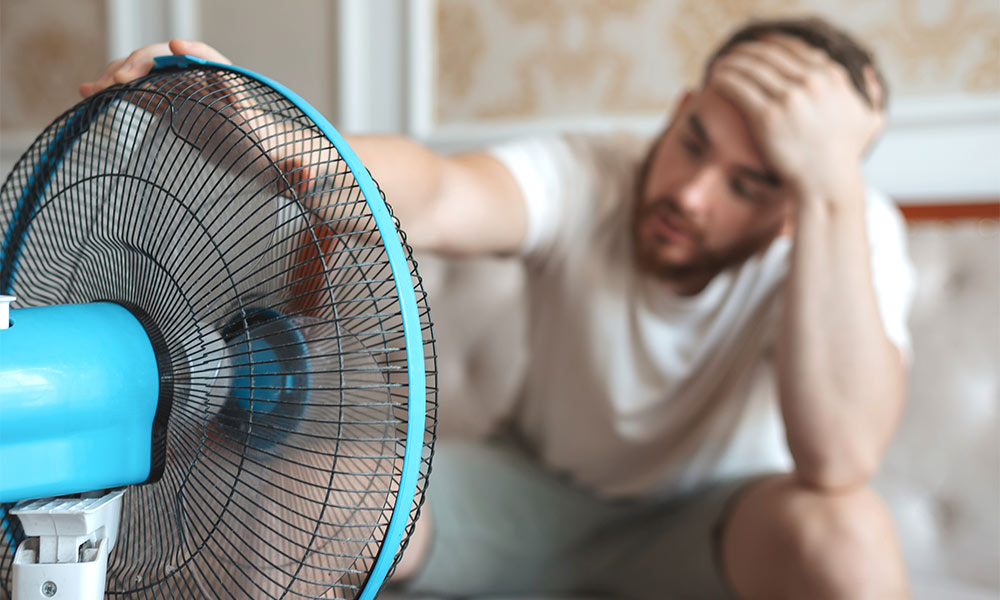
If you’ve called for emergency air conditioner repair during a heat event, take steps to keep your household safe until help arrives. Close blinds and curtains on sun-facing windows. Use fans to circulate air. Stay hydrated. If you have vulnerable family members and indoor temperatures become dangerous, consider temporary relocation to an air-conditioned space.
For electrical emergencies or suspected refrigerant leaks, keep the system turned off at the breaker until the technician arrives and clears it for use.
Bend Heating: Here When You Need Air Conditioner Repair
At Bend Heating & Sheet Metal, we understand that AC emergencies don’t follow business hours. That’s why we offer emergency air conditioner repair service for Central Oregon homeowners facing urgent situations.
For true emergencies, such as electrical issues, refrigerant leaks, or complete failure during extreme heat, call us at (541) 382-1231. For non-urgent repairs, contact us or call during business hours to book the next available appointment.
The best emergency is the one that never happens. Schedule a spring tune-up now to catch small problems before they become summer crises. Our technicians identify worn components, low refrigerant, and other issues that lead to breakdowns, so that you can enjoy a cool, comfortable home all season long.