

As we all settle in for another cold season, the Bend Heating team frequently hears this question: What is the best temperature for a heater in winter at night? Finding the sweet spot between a cozy bedroom and a manageable utility bill requires understanding how your system responds to temperature changes. Factors like system type, grid demand, and even the time of morning you turn the heat back up can all impact how efficiently your home stays warm. With Central Oregon’s cold nights and rising electricity costs, knowing how to use your thermostat strategically can reduce your winter heating costs by up to 10% while maintaining comfort.
Why Energy Costs Are Rising
You might notice that your heating bills haven’t dropped much, even if your home is running on newer, more efficient equipment. If your home uses a heat pump or electric air handler, that’s not a coincidence. The Northwest Energy Efficiency Alliance’s (NEEA) regional energy outlook notes that while systems have become more efficient, the Northwest grid now experiences more frequent demand spikes and higher power price volatility than in past decades. Homeowners with gas furnaces, however, are not affected by these electric-grid fluctuations in the same way.
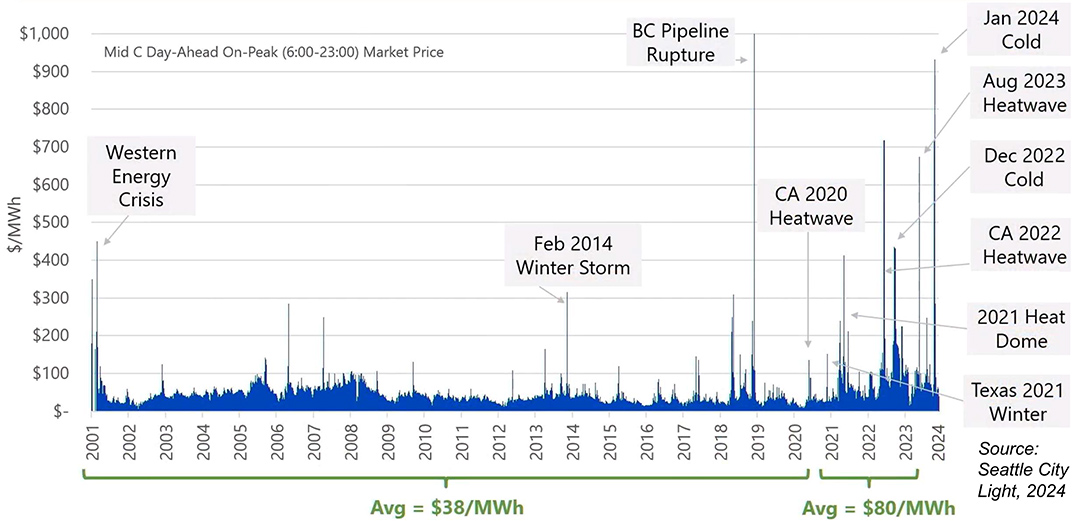
In other words, your heat pump may be using less energy to do the same job, but the cost of that energy is higher—and fluctuates more—than it used to. The goal for most Central Oregon homeowners isn’t necessarily to dramatically lower energy bills, but to use energy more efficiently and keep costs stable while staying comfortable.
Finding the Right Nighttime Setting, And Avoiding Morning Spikes
Most experts recommend keeping your thermostat between 60°F and 68°F while you sleep. This range provides enough warmth for comfort while giving your furnace a slight break overnight. However, the size of your setback matters more than you might think.
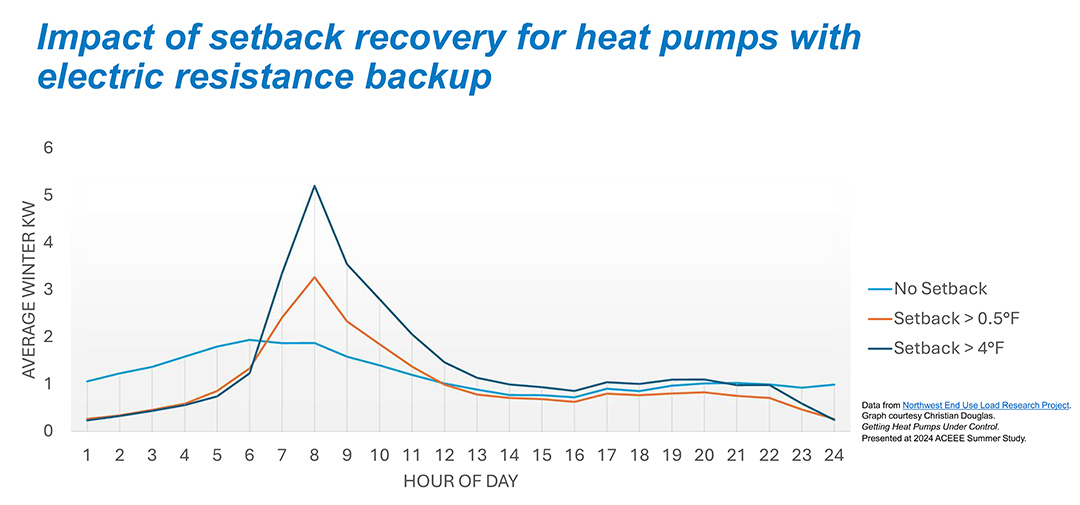
According to the NEEA and data from the Northwest End Use Load Research Project, when homeowners set their thermostat back more than four degrees and then raise it quickly in the morning, electricity use can spike dramatically during that recovery period, especially between 7 AM and 9 AM. If your home relies on a heat pump with electric resistance backup, these recovery spikes can trigger a massive surge in power consumption as the system works overtime to bring temperatures back up.
Those spikes add unnecessary strain to both your heat pump and the regional grid, and with increasing rates and peak load volatility, they can significantly increase your heating costs despite having efficient equipment.
The Key is Moderation
A gentle setback of 2 to 3 degrees is ideal for saving energy without forcing your system into high-stress recovery mode. However, if your home is heated by a heat pump, the best strategy is to avoid setbacks altogether and simply ‘set it and forget it.’ If you like a cooler bedroom at night, try cracking a window instead—this lets your sleeping space cool down without forcing the entire home and your heat pump to work harder in the morning. For larger setbacks on non–heat pump systems, consider delaying the morning temperature increase until mid-to-late morning when regional energy demand and utility rates typically decrease. Even occasional adjustments to your recovery time can improve overall energy use and cost.
Key Thermostat Must-Knows for Efficiency
Beyond setting the best temperature for a heater in winter at night, successful seasonal heating relies on consistent control and avoiding common pitfalls.
Avoid Manual Adjustments
Constantly running to the thermostat to manually adjust the temperature is detrimental to efficiency and system lifespan. Erratic, frequent manual changes force your heat pump to constantly start and stop, leading to wear and tear on components like the motor and compressor.
Utilize Setback Strategies
The goal is to set the system and forget it. A consistent, programmed setback ensures that your electric furnace or heat pump runs long, efficient cycles rather than straining itself with short, aggressive bursts of activity.
Prevent Overworking Your System
If you set the temperature too high during the day or allow too deep a drop at night, you force the system into a high-stress, high-energy-consumption mode. Finding the stable temperature range your system can manage easily is crucial for longevity.
Smarter Management with Smart Thermostats
Managing complex schedules and morning recovery times is far easier with modern technology. Programmable or smart thermostats handle setbacks automatically, ensuring a slow, steady warm-up rather than a sudden, energy-sucking spike. Many smart models even learn your home’s specific heat-loss patterns, subtly adjusting when they start heating to ensure the house is comfortable precisely when you wake up, all while optimizing energy usage.
If you’re not sure which thermostat is best for your system, Bend Heating’s technicians can help you find and install one that’s compatible with your home and comfort goals.
Find Your Comfort Balance
Choosing the best temperature for a heater in winter at night is all about balance: staying warm while minimizing strain on both your furnace and your wallet. With a few small thermostat adjustments and the right equipment, you can keep your home comfortable throughout the heating season.
Our experienced team can help you improve comfort, maximize efficiency, and keep your home running smoothly through Central Oregon’s coldest months.