
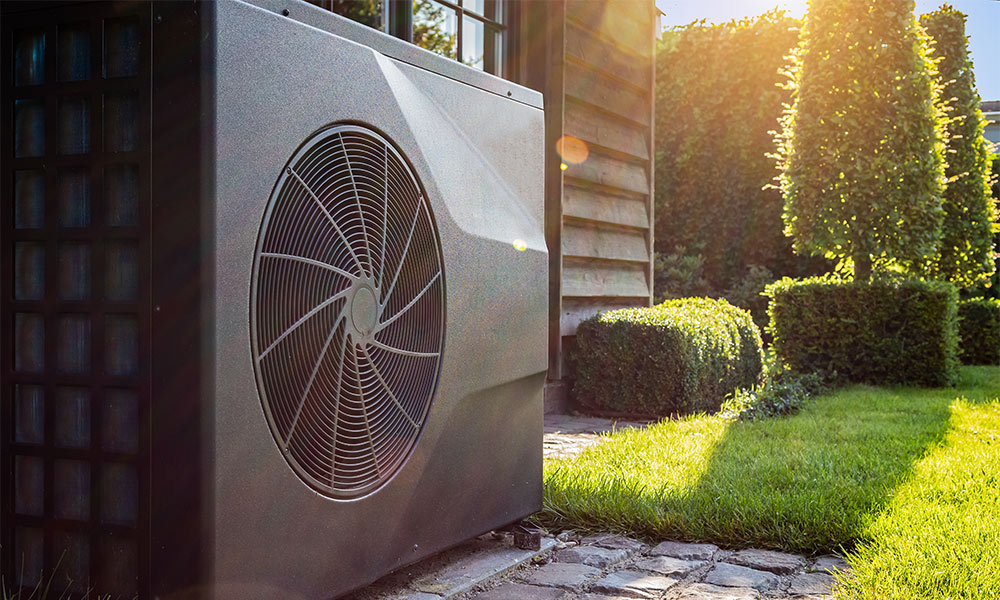
With Central Oregon experiencing both frigid winters and increasingly warm summers, more homeowners are discovering that heat pump installation offers the perfect solution for year-round comfort. Unlike traditional systems that only heat or cool, heat pumps provide efficient heating and cooling in one system—ideal for diverse climate demands. Here’s everything Central Oregon homeowners need to know about heat pump installation in 2026.
Understanding Heat Pumps for Central Oregon
Heat pumps work by transferring heat rather than generating it, making them incredibly efficient in moderate climates like Bend’s. During summer, they extract heat from your home and release it outside (just like a traditional air conditioner). In winter, they reverse the process, extracting heat from outdoor air and bringing it inside—even when temperatures drop below freezing.
Modern heat pump systems have overcome the cold-weather limitations that made older units impractical for Bend winters. Today’s cold-climate heat pumps maintain 75% efficiency even at 5°F, making heat pump installation a viable option throughout Central Oregon.
On top of that, newly designed heat pump systems are designed to run regardless of the outdoor temperature, and when they can’t keep up with the thermostat’s call for heat, heat strips provide supplemental heat. It’s a new way of looking at it as a homeowner. Your system should never run only heat strips; therefore, it allows the efficient part of the system to always provide some form of energy-efficient heat.
Why Bend’s Climate is Perfect for Heat Pumps
Moderate Temperature Range: Bend’s winter lows typically range from 20-35°F—exactly where modern heat pumps excel. Unlike climates with extended periods below 0°F, Central Oregon allows heat pumps to operate efficiently and can provide the full capacity through most of the heating season.
Significant Cooling Demands: Summer temperatures regularly reaching 85-95°F make cooling essential for comfort. Heat pump installation provides heating and cooling capacity and energy-efficient capability, eliminating the need for separate furnace and air conditioning systems.
Temperature Variation: Bend’s dramatic day-to-night temperature swings (often 30-40 degrees) favor heat pump efficiency. The system can switch between heating and cooling modes set up at the thermostat, maintaining perfect comfort regardless of outdoor conditions. The ultimate comfort comes from the variable speed technology in these highly sophisticated systems.
Long Shoulder Seasons: Spring and fall in Central Oregon feature moderate temperatures, where heat pumps operate at peak efficiency. During these months, heat pump systems can achieve 300-400% efficiency ratings—meaning they produce 3-4 times more heating or cooling energy than the electricity they consume.
Types of Heat Pump Installation Options
Ducted Heat Pumps: Traditional ducted heat pump installation connects to existing ductwork, providing whole-house heating and cooling through your current vent system. This option works well for homes with good ductwork and central HVAC infrastructure.
Ductless Heat Pumps: Ductless heat pump systems are great options for homes without ductwork or new additions. There are multiple options like wall mounted heads (what you see most in homes and restaurants), ducted ductless systems (these start as ductless heat pumps and are usually in the attic, but then we can run ductwork off the system so the home doesn’t expose the wall heads on the wall) and ductless ceiling cassettes (which are flush with the ceiling and manufactures have many unique designs for homeowners to choose from). Perfect for homes without ductwork, room additions, or creating zone control in larger homes. Multiple indoor units can connect to one outdoor unit for flexible comfort control.
Dual Fuel Heat Pump Systems: For maximum efficiency and reliability, dual fuel systems pair heat pumps with a gas furnace. The heat pump handles most heating and all cooling needs, while the gas furnace operates only during extreme cold snaps. This approach maximizes efficiency and the ultimate reliability while ensuring comfort during Bend’s coldest nights.
Energy Efficiency and Cost Savings
Heating Season Performance: Heat pump installation can reduce heating costs by 30-50% compared to electric resistance heating. In Bend’s moderate winter climate, heat pumps operate efficiently through most of the heating season.
Cooling Season Benefits: Heat pumps typically operate 15-25% more efficiently than traditional air conditioning systems. For Bend homes, this translates to significant summer energy savings as temperatures increasingly reach the 90s.
Year-Round Efficiency: The biggest advantage comes from eliminating separate heating and cooling systems. One efficient heat pump system handles both needs, reducing equipment costs, maintenance requirements, and energy consumption, although we highly recommend twice-a-year maintenance because they are used year-round.
Installation Considerations for Bend Homes
Proper Sizing is Critical: Heat pump installation requires precise load calculations accounting for Bend’s elevation (3,600 feet), temperature extremes, and home characteristics. Oversized systems cycle inefficiently, while undersized units struggle during peak demand periods.
Electrical Requirements: Heat pumps require adequate electrical service—typically 220V circuits. Older Bend homes may need electrical upgrades during heat pump installation. Professional assessment ensures your electrical system can handle the new equipment safely. All estimates include electrical cost.
Optimal Placement: Outdoor unit placement affects efficiency and longevity. In Bend, southern or western exposure provides optimal performance, while protection from prevailing winter winds maintains efficiency during cold snaps. We also factor in noise and keep away from select areas so homeowners can enjoy their home and minimize any noise coming from the HVAC system.
Addressing Cold Weather Concerns
Modern Cold-Climate Technology: 2026 heat pump systems feature new refrigerants like 454B and variable-speed compressors that maintain heating capacity down to -10°F. For Bend’s typical winter conditions, these systems operate efficiently without supplemental backup heat most of the time.
Backup Heat Integration: Even the best heat pumps benefit from backup heat during extreme cold. Heat pump installation can integrate as supplemental emergency heat, gas furnaces (if you install a dual fuel system), or other backup systems for seamless operation during weather extremes.
Defrost Cycle Management: Quality heat pump systems include smart defrost controls that minimize ice buildup while maximizing heating efficiency. Proper installation and maintenance ensure defrost cycles operate effectively in Bend’s freeze-thaw conditions.
Choosing the Right Heat Pump for Your Bend Home
System Capacity: Proper sizing ensures efficient operation and comfort. Too small and it struggles during peak demand; too large causes inefficient cycles and provides poor humidity control. Professional load calculations determine optimal capacity for your specific home and usage patterns.
Efficiency Ratings: Look for HSPF2 (Heating Seasonal Performance Factor) ratings above 9.0 for heating efficiency and SEER2 (Seasonal Energy Efficiency Ratio) above 16 for cooling efficiency. Higher ratings mean greater energy savings but also higher initial costs. Heat pumps need to be rated at a minimum of 9.5 HSPF2 for tax incentives.
Climate-Specific Features: Cold-climate heat pumps include enhanced vapor injection, variable-speed operation, and advanced controls optimized for Bend’s temperature ranges. These features maintain performance and efficiency during Central Oregon’s weather extremes.
Professional Installation Matters
Heat pump installation requires specialized knowledge of refrigerant handling, electrical connections, and system commissioning. Improper installation can reduce efficiency by 20-30% and void manufacturer warranties. Also, homeowner dissatisfaction, more expenses for the homeowner, and serious equipment issues in the long term.
Bend Heating & Sheet Metal specializes in heat pump installation for Central Oregon homes. Our NATE-certified technicians understand local climate demands and ensure optimal system performance through proper sizing, installation, and commissioning.
Make the Switch This Spring
Spring offers ideal timing for heat pump installation—you’ll have efficient cooling ready for summer and optimal heating performance for next winter. A professional assessment can determine if your Bend home is a good candidate for heat pump technology.
Call (541) 382-1231 to schedule a heat pump installation consultation. We’ll assess your home’s heating and cooling needs, explain your options, and provide transparent pricing for systems that deliver year-round comfort and efficiency.
Don’t settle for separate heating and cooling systems when one efficient heat pump system can handle both needs perfectly in Central Oregon’s climate.
 CALL US
  TEXT US