
As Bend transitions from heating to cooling season, your HVAC maintenance routine should shift to ensure both systems are ready for the demands ahead. Proper air conditioning maintenance in spring prevents emergency breakdowns during summer’s peak demand, while end-of-season heating system care protects your investment for next winter. Here’s your comprehensive heating and cooling maintenance checklist for Central Oregon homes.
Why Spring HVAC Maintenance Matters in Bend
Central Oregon’s dramatic temperature swings put unique stress on HVAC systems. We might see 30-degree temperature differences between day and night in April, requiring both heating and cooling in the same 24-hour period. This constant switching between systems makes spring HVAC maintenance critical for preventing failures when you need comfort most.
Professional air conditioning maintenance before summer typically prevents 80% of emergency service calls. Similarly, end-of-season heating system care identifies issues that could become expensive problems next fall.
Air Conditioning Maintenance Tasks
Clean and Inspect the Outdoor Unit: Your AC condenser has been dormant all winter, likely accumulating pine needles, leaves, and debris common in Central Oregon. Start your air conditioning maintenance by clearing all debris from around the unit, maintaining 2 feet of clearance on all sides. Gently rinse the condenser coils with a garden hose to remove built-up dirt and pollen. If Bend Heating provides the service, then we use a special HVAC coil cleaner.
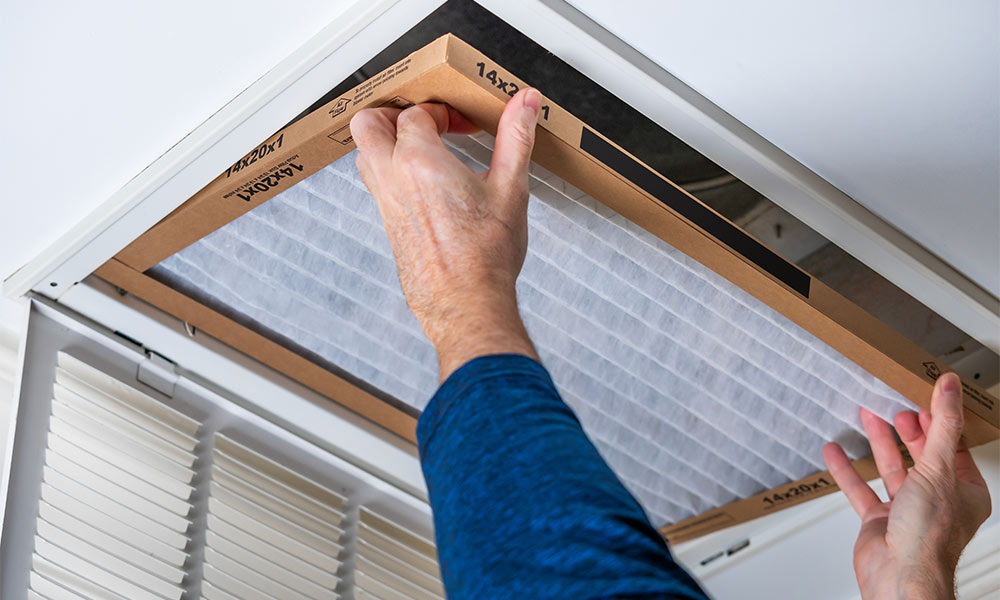
Replace Air Filters: Install fresh filters before running your AC for the season. During Bend’s high pollen spring months, consider upgrading filters for better allergen control. Plan to check filters monthly during cooling season, as wildfire smoke can clog them faster than normal.
Test System Operation: On a mild day above 65°F, test your AC to ensure it starts properly and cools effectively. Listen for unusual noises, check that all vents blow cold air, and verify the thermostat responds correctly. Address any issues now rather than discovering them during the first 90-degree day.
Inspect Refrigerant Lines: Check the copper lines running between your indoor and outdoor units for signs of damage, corrosion, or ice buildup. Any issues require professional attention, as refrigerant problems can cause expensive compressor damage if ignored.
Heating System End-of-Season Care
Schedule a Professional Tune-up: Spring is ideal for heating and cooling maintenance because technicians have better availability before the summer rush.
Clean Supply and Return Vents: Remove and wash all vent covers, vacuum supply ducts as far as you can reach, and ensure return air grilles aren’t blocked by furniture or decorations. Proper airflow protects both your heating and cooling systems.
Inspect and Test Thermostats: Test both heating and cooling modes to ensure your thermostat switches properly between systems. Replace batteries in programmable models, and consider upgrading to a smart thermostat that optimizes both heating and cooling efficiency.
Ductwork and Insulation Assessment
Spring offers perfect weather for inspecting ductwork in attics and crawl spaces. Look for disconnected ducts, damaged insulation, or signs of air leaks. Properly sealed and insulated ducts improve both heating and cooling efficiency by ~15-20%.
Check attic insulation levels while you’re there. The same insulation that kept heat in during winter will keep cool air in during summer. Bend homes should have R-38 to R-49 attic insulation for optimal year-round efficiency.
Indoor Air Quality Preparation
Spring HVAC maintenance should address indoor air quality concerns that affect year-round comfort. Consider adding UV lights to your system to neutralize bacteria and mold spores that thrive in humid cooling season conditions. Whole-house dehumidifiers help manage Central Oregon’s surprising summer humidity from afternoon thunderstorms. There’s a wide range of solutions for central air conditioning systems and ductless cooling systems.
Professional vs. DIY Maintenance
While homeowners can handle filter changes, vent cleaning, and basic visual inspections, professional HVAC maintenance addresses safety and performance issues that require specialized tools and training.
Professional air conditioning maintenance typically includes:
- Refrigerant level testing and adjustment
- Electrical connection inspection and tightening
- Condenser coil deep cleaning
- Blower motor lubrication and calibration
- Capacitor and contactor testing
- Thermostat calibration
- Small recommendations that save money in the long run and prevent costly breakdowns
For heating systems, professional service covers combustion analysis, gas pressure testing, heat exchanger inspection, and carbon monoxide safety verification, which are all critical for safe operation.
Maintenance Scheduling Strategy
The best approach combines DIY monthly tasks with professional seasonal service. Replace filters monthly, keep outdoor units clear, and monitor system performance. Schedule professional heating and cooling maintenance semi-annually—ideally, your heating service in the fall and cooling service in the spring. For more cost-effective maintenance, you can schedule a one-time tune-up in the shoulder season.
Investment vs. Cost
Annual HVAC maintenance not only prevents emergency repairs but also helps systems last ~5-7 years longer than neglected ones, operate more efficiently, and provide consistent comfort throughout their lifespan. Also, HVAC contractors provide great discounts for regular HVAC tune-up members, priority service, and 10% or more off repairs.
Schedule Your HVAC Maintenance
Don’t wait until temperatures spike to discover your AC isn’t ready. Start your spring HVAC maintenance checklist now, and schedule professional service before the May rush.
Bend Heating & Sheet Metal offers comprehensive air conditioning maintenance and heating system service designed specifically for Central Oregon’s unique climate demands. Our NATE-certified technicians know exactly what Bend systems need to perform reliably through temperature extremes.
Call (541) 382-1231 to schedule your spring HVAC maintenance service and ensure both your heating and cooling systems are ready for whatever Central Oregon weather brings.
 CALL US
  TEXT US